
Understanding the Psychology of Bluffing
Bluffing in poker transcends merely the cards you hold; it’s deeply rooted in the psychology of the game. Each player brings a unique mental framework to the table, influenced by their past experiences and perceptions. To bluff effectively, it’s essential to be in tune with your opponents’ responses. By understanding how they interpret your actions, you can exploit their expectations, potentially leading them to fold stronger hands. Players often discuss strategies on various platforms, including attitudeshayarii.in , where the psychological dance between players adds an intricate layer to the bluffing strategy, making it not just about the cards but about the mind games involved.
Successful bluffing also hinges on reading the dynamics of the table. For example, if a player exhibits tight betting patterns, it can indicate caution, making them more susceptible to a well-timed bluff. Conversely, an overly aggressive player might call your bluff more readily. It’s crucial to gauge how different players react to specific situations, as their responses can provide insight into when and how to execute a bluff. Understanding the varying perceptions of experienced players versus novices further enhances your bluffing strategy, as each group will approach the game with different levels of skepticism and risk tolerance.
Your own demeanor plays a significant role in bluffing as well. Facial expressions, body language, and betting patterns can send strong signals to your opponents, even if unintentionally. Maintaining a calm and assertive presence while making a substantial bet can create doubt in your opponents’ minds about their hand strength. The challenge lies in controlling these non-verbal cues: you want to project confidence without revealing the weakness of your bluff. Mastering this aspect of poker psychology can dramatically improve your bluffing success rate.
Types of Bluffs in Poker
Bluffing is not a one-size-fits-all approach; it encompasses various techniques tailored to specific scenarios and opponents. One of the most common types is the “pure bluff,” where a player bets aggressively with little to no hand strength. This tactic is particularly effective against players who tend to fold weaker hands, especially in high-pressure tournament situations. Understanding the perfect moment to employ a pure bluff can maximize its effectiveness while keeping your opponents guessing about your true intentions.
Another strategic bluff is the “semi-bluff,” which involves betting or raising with a drawing hand that could improve with future community cards. This two-pronged approach creates opportunities: if your opponent folds, you win the pot easily; if they call, you still have a chance to hit your drawing hand. Semi-bluffs can be particularly useful in games where opponents are more cautious. Adopting this strategy allows for aggressive play without completely exposing yourself to risk, providing a safety net while still applying pressure on your opponents.
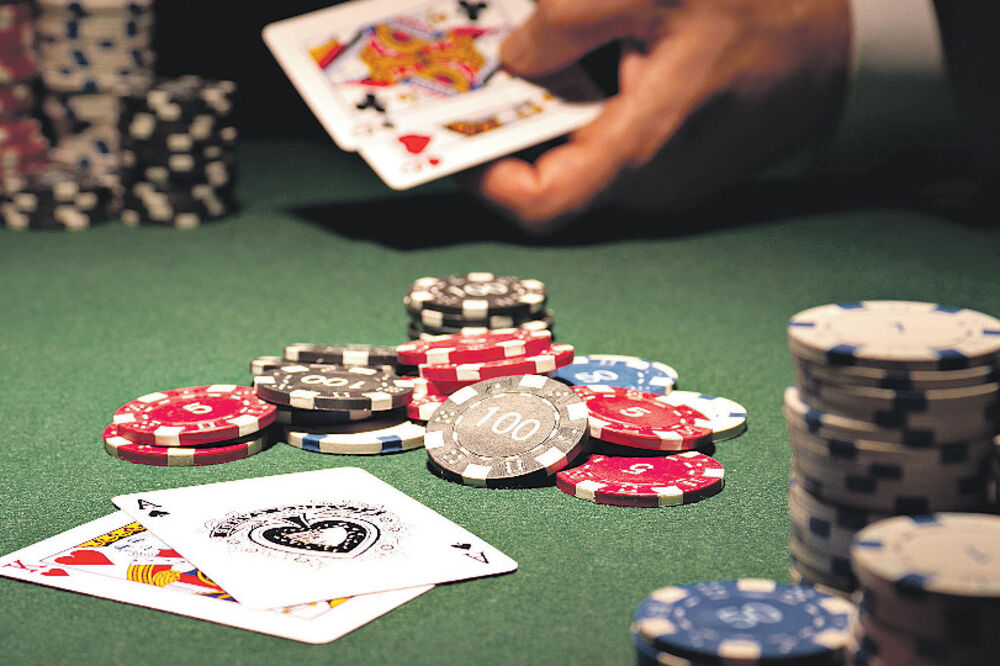
The “converted bluff” is another intriguing method that comes into play when a player initially holds a strong hand that becomes less favorable due to community cards. For instance, if you start with pocket aces and the flop reveals three cards of a different suit, you might opt to bet aggressively if you perceive weakness in your opponents. This tactic requires a keen sense of timing and a solid read on your opponents’ reactions to the changing board. By mastering these various bluffing types, you can adapt your game plan based on the situation and enhance your overall poker strategy.
Reading Your Opponents
To excel at bluffing, the ability to read your opponents is an indispensable skill. This involves keen observation of physical tells, such as changes in breathing, fidgeting, or shifts in betting patterns, which can indicate their hand strength or emotional state. Experienced players often develop an acute awareness of these subtle cues, allowing them to identify whether an opponent is feeling confident or insecure. For example, a player who suddenly becomes unusually quiet may be concealing a powerful hand, while aggressive betting could signal a bluff. Recognizing these signals is vital in determining the right moments to execute your bluffs.
Online poker offers a different set of challenges for reading opponents, as players must rely on betting behaviors rather than physical tells. Understanding betting patterns, the frequency of aggression, and the timing of actions becomes crucial. If an opponent consistently bets high with strong hands, a sudden shift in their strategy could indicate a bluff. By adapting your own strategies based on these observations, you can gain a significant advantage in gameplay, turning the tables in your favor.
Emotional intelligence also plays a crucial role in effective bluffing. By recognizing your opponents’ psychological states—whether they are frustrated, confident, or tentative—you can tailor your bluffs to exploit their emotions. For instance, a player who has recently suffered a significant loss may be more inclined to fold under pressure. By gauging the emotional landscape of the table, you can strategically determine when to bluff and when to play conservatively, optimizing your chances of success.
Timing Your Bluffs
In poker, timing is paramount when it comes to bluffing. The execution of a bluff must be carefully strategized, considering the right moments to act. Bluffing too frequently or at inopportune times can lead to swift losses and erode your credibility at the table. A successful bluff is often best timed with the progression of the game; for instance, initiating a bluff in early rounds can be riskier compared to the later stages, where players tend to protect their chips more diligently. Knowing the optimal moments to bluff requires patience and a keen awareness of the ongoing game dynamics.
Observing how other players respond to various betting situations can also guide your timing choices. If your opponents have been largely passive, they may be more vulnerable to a well-timed bluff. On the other hand, if the table is filled with aggressive players, they may be less likely to fold, making your attempts less effective. Capitalizing on moments when players appear hesitant can greatly enhance your bluffing success, underscoring the importance of situational awareness in poker.
Moreover, managing pot size is intricately tied to bluff timing. A larger pot can invite more calls, while a smaller pot allows for greater bluffing opportunities without risking significant chips. Knowing how to control the pot through strategic betting can enhance your bluffing potential while protecting your stack. Careful consideration of these aspects is essential for determining when to assertively push your bluffing strategy, ultimately increasing your chances of success at the table.
Resources for Learning More About Bluffing
For players eager to refine their bluffing skills in poker, a wealth of resources is available to deepen their understanding and improve their techniques. Numerous books on poker strategy detail advanced bluffing tactics and the psychological nuances of the game. These texts can provide invaluable insights, offering examples and strategies employed by seasoned professionals. Engaging with these resources can significantly enrich a player’s approach to bluffing, enhancing both confidence and effectiveness in gameplay.
Online forums and poker communities serve as excellent platforms for exchanging ideas and strategies related to bluffing. Players frequently share personal experiences, dissecting successful bluffs and the reasoning behind their decisions. Participating in these discussions can broaden your perspective and facilitate the learning process. Additionally, many websites host tutorials and articles dedicated to various bluffing techniques, making this information accessible to players of all skill levels.
Finally, practical experience is crucial in mastering bluffing. Regularly playing poker and applying different bluffing strategies during games helps solidify concepts learned through reading and discussion. Over time, you can develop a heightened sense of timing, identify effective scenarios, and ultimately craft your own unique bluffing style. Embracing this multifaceted approach to learning will greatly elevate your game and improve your overall performance at the poker table.